
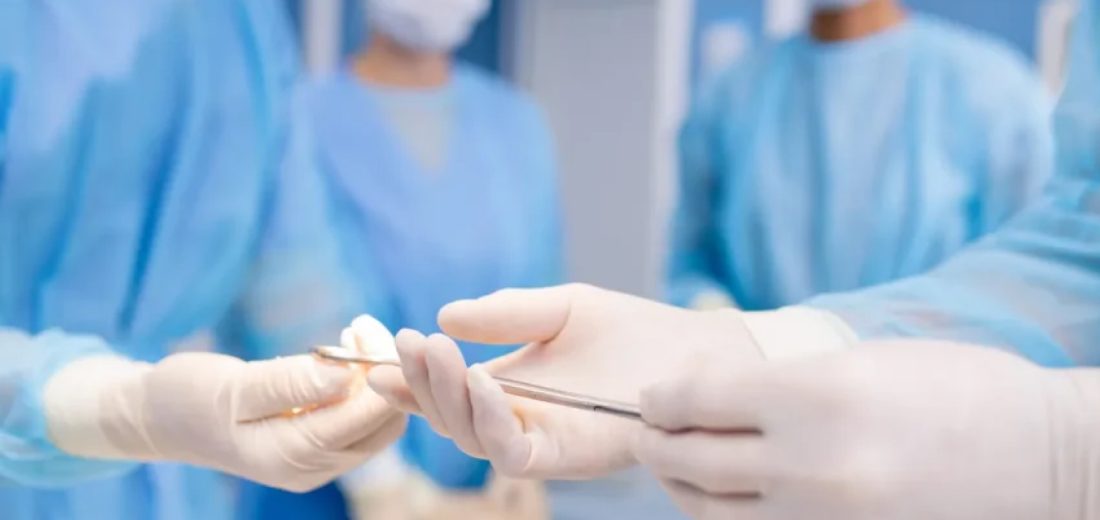
A “hernia caused by surgery” usually refers to an incisional hernia – a bulge that appears at the site of a previous surgical scar on the abdomen. It might feel unfair that a surgery you had to fix one problem ended up causing a hernia later. In fact, incisional hernias are a known risk after abdominal operations. Up to 20% of people who have open abdominal surgery (a large incision) may develop an incisional hernia months or even years later. The good news is that these hernias can be treated and repaired.
If the incisional hernia is small and not causing any pain, your doctor might just monitor it for a while. But many incisional hernias do grow over time. When they become large or uncomfortable, surgery is usually recommended to fix them. The goal of treatment is to push the bulging tissue back in and strengthen the weak spot in the muscle. To do this, a surgeon can perform an open hernia repair or a minimally invasive repair (laparoscopy). In both cases, the surgeon will likely use a surgical mesh to reinforce the area and give it extra strength.
Treating an incisional hernia is a bit like fixing a patch on a tire – you reinforce the weak spot so it doesn’t break open again. After surgery, you may need to stay in the hospital for a short time, especially if the hernia was large. Recovery times vary, but most people get back to daily activities after a couple of weeks. Your surgeon will advise you on how to care for your incision and when it’s safe to lift things again. With proper treatment, a hernia caused by surgery can be effectively repaired, helping you get back to your life without that bulge and discomfort.